
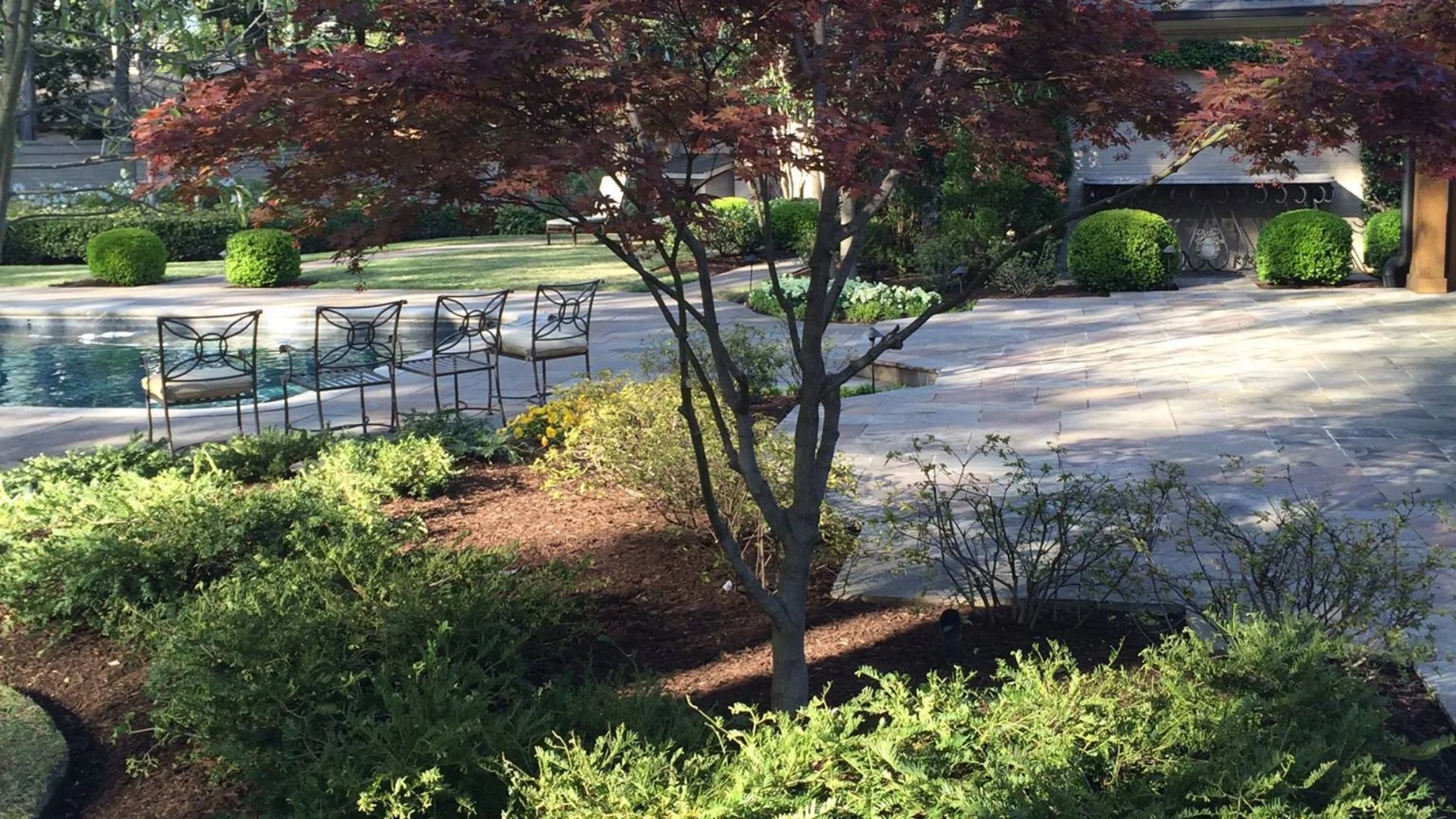
Common signs of nutrient deficiency in trees and shrubs include stunted growth, leaf problems, and reduced flowering. If plants grow slowly, look thin, or fail to reach their expected size, they may lack key nutrients like nitrogen, phosphorus, or potassium. Yellowing, discoloration, curling, distorted leaves, and premature leaf drop can also indicate stress from insufficient nutrients. Flowering plants may produce fewer blooms, smaller flowers, or weak buds when they do not have enough energy and nutrients. If your plants in Tennessee exhibit these symptoms, make sure you contact plant care professionals. They will inspect your trees and shrubs and apply the right fertilizer treatment to give them a much-needed nutrient boost.
Stunted growth indicates a nutrient deficiency in your trees and shrubs.
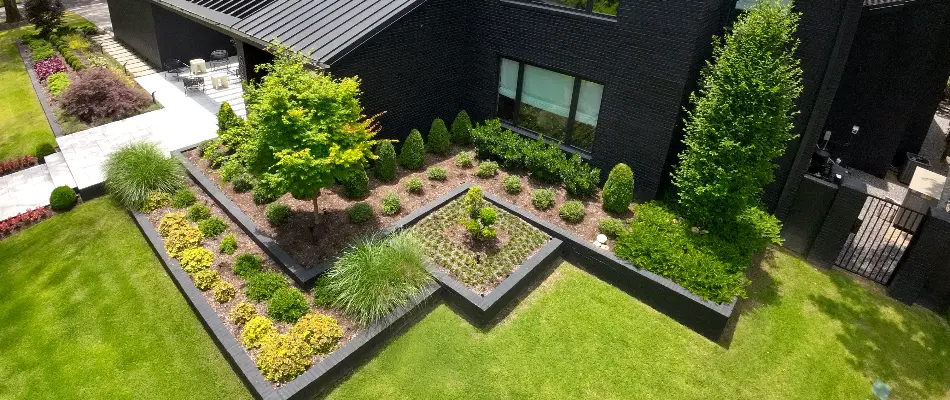
One of the most common signs of a nutrient deficiency in your plants is stunted growth. Healthy trees and shrubs should produce steady new growth during the growing season, including fresh leaves, stems, branches, and blooms. If your plants seem to be growing slower than normal, look thin or sparse, or fail to reach their expected size, they may not be receiving the nutrients needed to support proper development.
Nutrients like nitrogen, phosphorus, and potassium all play important roles in plant growth, root development, and overall strength. When these nutrients are lacking or unavailable in the soil, your trees and shrubs may struggle to grow and become weaker over time.
Nutrient-deficient plants have leaf yellowing, discoloration, curling, and premature leaf drop.
Leaves often provide some of the clearest clues that a tree or shrub is nutrient-deficient. Yellowing leaves, pale foliage, brown edges, unusual red or purple tones, or discoloration between leaf veins can all indicate that the plant is not getting what it needs. Different nutrient deficiencies can cause different patterns, such as older leaves yellowing first or newer leaves turning yellow while the veins remain green.
Curling, cupping, or distorted leaves may also point to plant stress, and premature leaf drop is another warning sign. While it is normal for deciduous plants to drop leaves in the fall, losing leaves during the growing season can mean the plant is struggling to support its foliage.
Reduced flower production can be a result of a nutrient deficiency in plants.

Nutrient deficiency can also affect how well your flowering trees and shrubs bloom. If a plant that normally produces plenty of flowers suddenly has fewer blooms, smaller flowers, weak buds, or a shorter bloom period, it may not have enough nutrients to support flower development. Plants require energy to produce flowers, and when nutrients are limited, they may focus on survival instead. Phosphorus and potassium are especially important for root strength, flowering, and overall plant health.
What should you do if your trees and shrubs are nutrient-deficient?
If you notice stunted growth, leaf discoloration, curling leaves, premature leaf drop, or reduced flowering, the best thing to do is contact professionals. These symptoms may point to a nutrient deficiency, but they can also be signs of other problems. Professionals can inspect your trees and shrubs, evaluate their condition, and determine whether the issue is related to nutrients, pests, disease, soil conditions, or environmental stress.
If your plants are nutrient-deficient, professionals can apply the right fertilizer treatment to help restore their health. Fertilization can provide essential nutrients that support stronger roots, greener foliage, healthier growth, and better flower production. By addressing the problem early, you can help your trees and shrubs recover and continue enhancing your landscape.
Nourish your plants with our tree and shrub fertilization service. Call us to enroll!
Nutrient deficiency in plants can be solved with the right fertilizer treatment. Fortunately, that's what we specialize in. Here at Picture Perfect Landscapes, we offer a tree and shrub fertilization service to keep your plants healthy and nourished. This program features 7 visits throughout the year, 2 of which are intended for fertilizer treatments in the spring and fall. Best of all, our team uses organic, bio-stimulant fertilizers that contain much-needed nutrients, such as nitrogen, phosphorus, potassium, and other micronutrients.
We offer this service to commercial and residential properties, as well as HOAs, in Memphis, Midtown Memphis, East Memphis, TN, and surrounding areas. Call our team today at (901) 246-7656 to enroll!


Comments (0)
Thanks for your comment!
Thanks for your feedback! Your comments have been successfully submitted! Please note, all comments require admin approval prior to display.
Error submitting comment!
There is a problem with your comment, please see below and try again.